

The Chosen: A Modern Portrait of an Ancient Story
Reflecting on Faith, Humanity, and the People Who Followed Christ

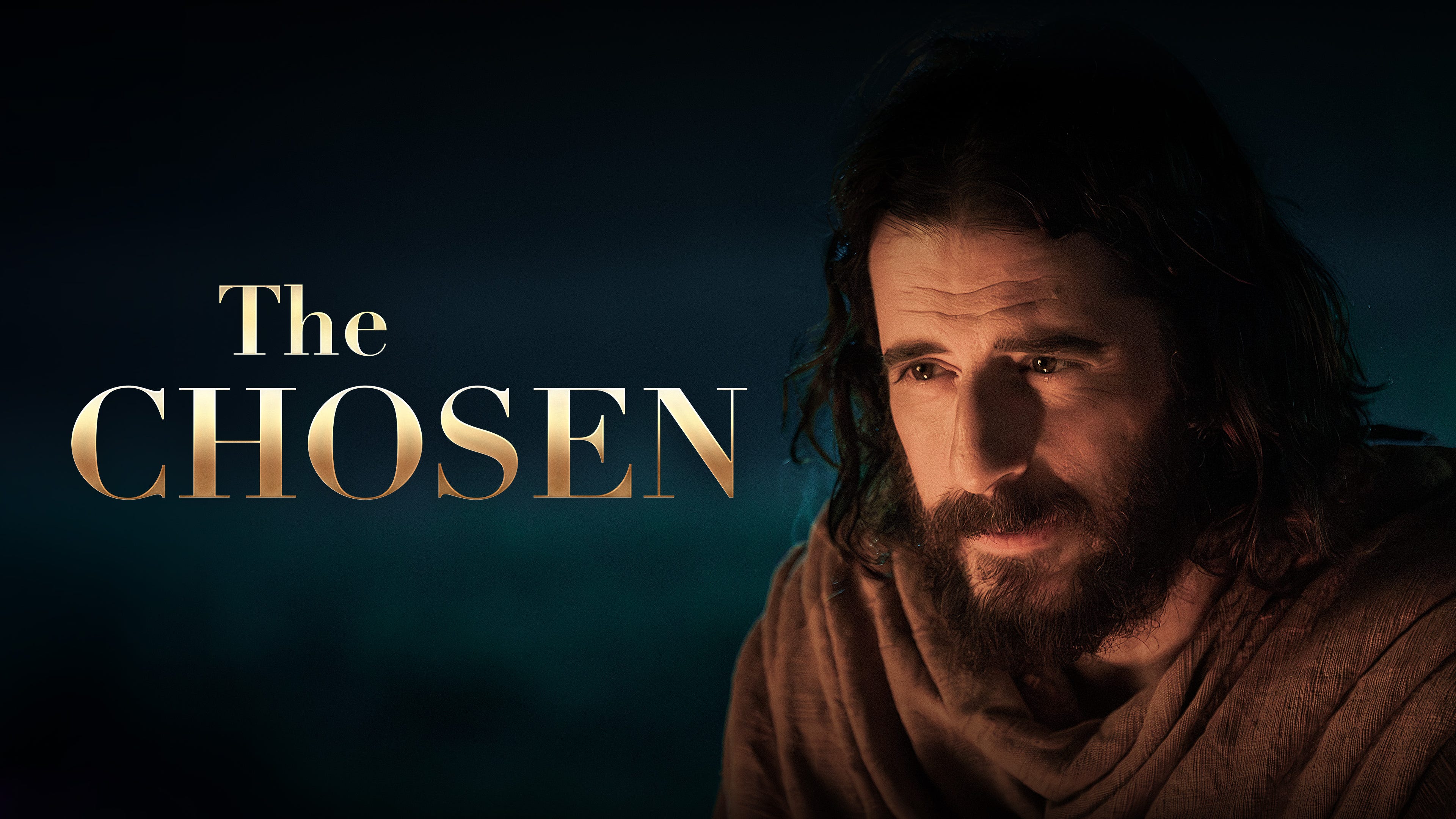
Over the past several years, a television series has quietly grown into one of the most widely watched portrayals of the life of Jesus ever produced. The series, The Chosen, created by filmmaker Dallas Jenkins, attempts something that previous films and television projects rarely attempted: a long-form dramatic retelling of the life and ministry of Jesus of Nazareth through the lives of the people who encountered him.
Rather than presenting the Gospel narrative as a sequence of well-known events, the series slows down and spends time with the human beings surrounding the story. Fishermen struggling with debt, scholars wrestling with theological questions, tax collectors isolated from their communities, and individuals searching for redemption all become central to the narrative. Through their experiences, the viewer is invited not simply to observe the story of Christ, but to experience it through the eyes of those whose lives were changed by encountering him.
For viewers who approach faith from a reflective or contemplative perspective, the series offers an unusual opportunity. It allows the Gospel narrative to unfold gradually, giving space to the emotional, social, and personal realities of the people who lived within that world. For those of us exploring spiritual themes through projects like The Way of Quiet Light, this slower approach invites a deeper reflection on how faith often begins: not through certainty, but through curiosity, struggle, and the quiet recognition that something extraordinary has entered ordinary life.
Season One: The Invitation to Follow
The first season of The Chosen establishes the world of first-century Judea by focusing almost entirely on the lives of individuals before they become followers of Jesus. Rather than introducing Christ immediately as the central figure, the series introduces the viewer to the brokenness, pressures, and struggles faced by the people who will ultimately encounter him.
Mary Magdalene is portrayed as a woman burdened by trauma and searching for freedom from the darkness that has consumed her life. Simon Peter appears as a fisherman desperate to resolve crushing financial problems while attempting to care for his family. Matthew is depicted as a brilliant but socially isolated tax collector whose work for the Roman authorities has left him alienated from his own people. Nicodemus, a respected Pharisee and scholar, begins the story as a man deeply knowledgeable about the law but quietly wrestling with questions about the nature of God’s presence.
By the time Jesus finally appears within the narrative, the viewer has already become familiar with the emotional landscape of the people whose lives he will soon disrupt. This storytelling approach reinforces one of the central themes of the Gospel itself: Christ does not enter the lives of people who are already perfect. He enters lives that are wounded, complicated, skeptical, and searching for meaning.
The first season ultimately revolves around the idea of invitation. Jesus calls individuals who are unlikely candidates for greatness, and he calls them not because they are already prepared, but because they are willing to listen. For many viewers, the emotional power of this season lies in its reminder that the beginning of faith is often a moment of recognition—a moment when someone hears a call and decides, despite uncertainty, to follow.
Season Two: The Formation of a Community
In the second season, the narrative shifts away from individual encounters and begins to explore the formation of a community around Jesus. The disciples are no longer isolated figures who meet Christ one at a time. Instead, they are learning to live and travel together while attempting to understand the meaning of the teachings they are hearing.
This period of the story reveals the deeply human nature of the early followers of Jesus. The disciples argue with one another, misunderstand Christ’s teachings, and sometimes struggle with jealousy, pride, or doubt. The series presents them not as perfect figures who immediately comprehend the significance of the moment, but as people slowly learning how to walk a new path.
The second season also explores the growing tension between the expectations of the people and the reality of Jesus’ message. Many in Judea expected the arrival of a political Messiah who would challenge Roman authority and restore national sovereignty. Instead, Jesus begins speaking about a kingdom that operates according to entirely different principles. His teachings emphasize humility, mercy, forgiveness, and transformation of the human heart rather than the overthrow of political power.
Through these moments, the season highlights one of the most profound elements of the Gospel narrative: the kingdom that Jesus describes does not resemble the kingdoms of the world. It is not established through domination or force, but through personal transformation and a radical rethinking of what it means to live in relationship with God and with one another.
Season Three: Expansion and Influence
By the third season, the ministry of Jesus has begun to expand dramatically. Crowds gather to hear him teach, stories of miracles travel quickly throughout the region, and the small group of followers who began the journey now finds itself at the center of a rapidly growing movement.
With that growth comes increasing pressure. The religious authorities begin paying closer attention to Jesus’ teachings, recognizing that his message challenges established interpretations of the law and the authority structures surrounding it. At the same time, the disciples themselves must grapple with the responsibility that comes with being associated with someone whose influence continues to grow.
Season Three emphasizes the disruptive nature of Jesus’ message. His teachings challenge assumptions about social status, religious purity, and who deserves compassion. The series portrays how these teachings resonate deeply with ordinary people while simultaneously creating anxiety among those whose authority might be threatened by them.
For the disciples, this stage of the journey introduces a new emotional challenge. What began as a personal encounter with a remarkable teacher has now become something much larger. The movement they joined is beginning to reshape the expectations and beliefs of the communities around them.
Season Four: Rising Conflict
Season Four marks a significant shift in tone as the story moves toward the more difficult chapters of the Gospel narrative. By this point, Jesus is no longer merely a teacher attracting curiosity from local crowds. His growing influence has made him a figure of controversy and concern among both religious leaders and political authorities.
The religious establishment increasingly views his teachings as a threat to their authority and interpretations of the law. Meanwhile, Roman officials remain cautious about any movement capable of drawing large gatherings of people in an already politically sensitive region.
Within the community of disciples, the rising tension produces uncertainty and fear. Following Jesus is no longer simply a spiritual adventure filled with inspiring teachings and miracles. It now carries the possibility of genuine danger.
This season deepens the emotional complexity of the series by exploring the cost of faith. Belief in Jesus begins to require courage, not only from the disciples but also from the ordinary people who continue choosing to listen to him despite the growing pressure surrounding his presence.
Season Five: The Road Toward Jerusalem
The most recent season continues guiding the story toward the final events recorded in the Gospel accounts. As Jesus and his followers move closer to Jerusalem, the sense of inevitability surrounding the narrative becomes increasingly clear.
The disciples begin to sense that the path ahead will not lead to the type of triumph many of them once imagined. Their expectations of political victory and national restoration are slowly replaced by the realization that Jesus is moving toward something far more profound and far more costly.
Themes of preparation dominate this season. The characters begin to confront the possibility that the transformation Jesus is bringing to the world will not come through power or military victory, but through sacrifice and radical love.
For viewers who know the Gospel story, this stage of the narrative carries a quiet tension. The audience understands where the story is heading even as the characters themselves struggle to comprehend it.
Why This Series Resonates
Throughout history, countless films and artistic works have attempted to depict the life of Jesus. What makes The Chosen distinctive is not simply the scale of its production or the number of episodes devoted to the story. Instead, its strength lies in its commitment to exploring the humanity surrounding the Gospel narrative.
By giving time and attention to the lives of fishermen, scholars, skeptics, and seekers, the series reminds viewers that the story of Christ was never meant to exist in isolation from the people whose lives it touched. The Gospel narrative unfolds not only through miracles and sermons but also through relationships, misunderstandings, doubts, and moments of quiet recognition.
For those reflecting on faith through the lens of The Way of Quiet Light, the series offers something particularly valuable. It reminds us that the path of faith has always been walked by imperfect individuals navigating uncertainty while gradually learning to trust the light they have encountered.
Looking Ahead
The story presented in The Chosen remains unfinished. Future seasons are expected to explore the final events of the Gospel narrative, including the crucifixion and the resurrection. As the series continues, it will inevitably move into the most emotionally powerful chapters of the Christian story.
Yet even before reaching those moments, the series has already achieved something remarkable. It has invited millions of viewers to revisit a story that has shaped the spiritual imagination of humanity for nearly two thousand years, presenting it not as distant legend but as a living narrative filled with human struggle, hope, and transformation.
For those willing to reflect on it more deeply, the series becomes more than entertainment. It becomes an invitation to reconsider what it means to encounter a story that has changed the world—and to ask whether that same encounter might still hold meaning today.