

When Modesty Is an Invitation
And When It Becomes a Mandate

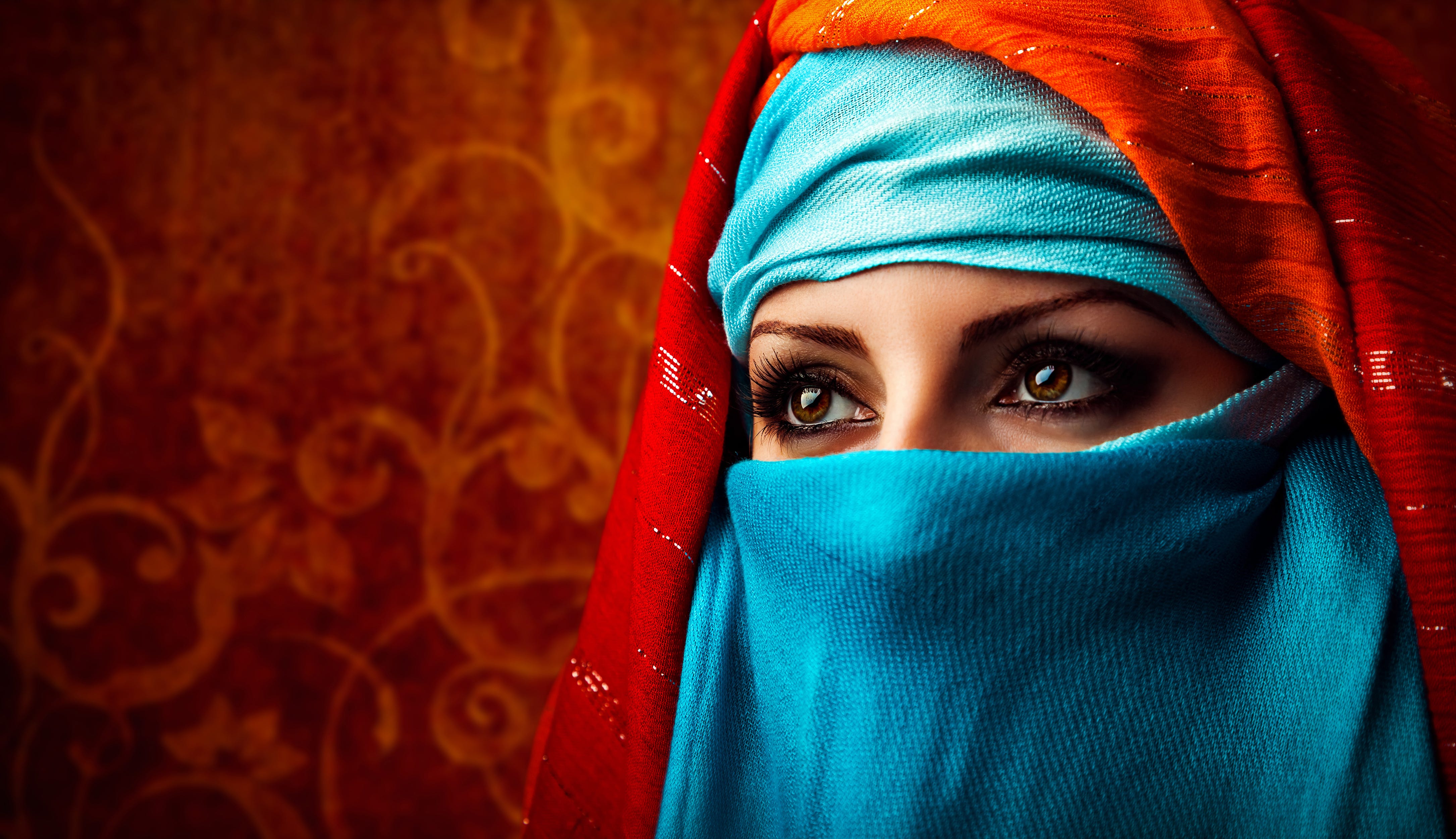
A Quiet Light Reflection on Islam, Modesty, and Extremism, with Iran As a Lens
Human dignity — and the sacredness of conscience — depends on choice, not coercion. Yet in every religious tradition, teachings intended to cultivate virtue can be twisted into tools of control when power, fear, and ideology mix.
This tension between spiritual invitation and political mandate becomes particularly clear when we look at the way modesty and dress codes have been understood — especially in Islamic contexts — and how they have been enforced in extremes.
One of the most illuminating examples is Iran before and after the 1979 Islamic Revolution, where modesty shifted from being a personal, cultural, or religious expression to becoming a state-imposed requirement with profound consequences for women’s freedom and dignity.
The Traditional Vision: Modesty as Virtue, Not Violence
Across Islamic scholarship, modesty (ḥayāʾ) is a virtue rooted in humility, moral awareness, and restraint. The Qur’an calls for modesty in behaviour and gaze for both men and women, and many Islamic scholars place great emphasis on inward disposition, not outward policing.
Unlike fear-based interpretations that locate sin in other people’s bodies, the traditional understanding of modesty is grounded in:
personal accountability,
self-restraint,
and respect for others while preserving individual agency.
In most Islamic legal traditions (madhhabs), modest dress is encouraged but not rigidly defined, and there is historical diversity in how Muslims have expressed modesty in clothing, behaviour, and public interactions. Many scholars agree that covering the face (niqāb) is not universally required, and that dress codes should be understood in a cultural context, not just a doctrinal decree.
This traditional approach sees modesty not as a burden, but as an invitation to personal integrity and respect.
Iran Before 1979: Cultural Freedom and Complexity
To understand how traditional contexts can be transformed into extreme enforcement, it helps to look at life in Iran before the 1979 Revolution.
Under the Pahlavi monarchy — particularly from the 1940s to the late 1970s — women in Iran legally enjoyed greater freedom of dress. The prior ban on veiling instituted in the 1930s was relaxed, and women were free to dress as they wished, adopting Western styles, modern fashions, and professional attire. The hijab was legal, but social norms increasingly associated it with conservatism or lower socioeconomic status; many women chose not to wear it at all.
This was not a society free of problems — far from it — but it was one in which women’s clothing was not centrally controlled by law and in which modesty took diverse forms. The public conversation about dress was shaped by culture, class, personal choice, and evolving social norms.
Revolution and the Turn to Mandate
When the Islamic Republic was established in 1979, one of the earliest—and now most iconic—changes was the imposition of compulsory hijab.
Less than a month after the revolution, Supreme Leader Ruhollah Khomeini decreed that women must observe Islamic dress codes in public workplaces and could not enter government offices without the hijab. In less than 5 years, this became a full legal requirement with criminal penalties for noncompliance.
What had once been personal religious expression was now a state mandate. The shift was not gradual or organic — it was imposed, legislated, and enforced through the power of the state.
For many, this wasn’t modesty — it was control.
Extremist Enforcement and Its Human Cost
Making modesty compulsory carries consequences:
It becomes a marker of obedience, not virtue.
It becomes political, not spiritual.
It becomes punishable, not persuasive.
Under Iran’s compulsory hijab laws, enforcement extended beyond gentle reminders. Police and morality units have detained women for “improper dress,” jailed them, fined them, or subjected them to forced re-education.
The international attention on this issue — particularly after the death of Mahsa Amini in the custody of morality police in 2022 — highlights how extremist enforcement of modesty can cause deep social trauma and ignite broad protests.
The story of Iran illustrates how a personal religious practice — chosen in the privacy of the heart — can become weaponized when it’s turned into a legal mandate backed by punishment.
When Modesty Is Mandated, Freedom Is Lost
In a tradition that calls every believer — man and woman — to moral responsibility, the act of legislating personal dress codes is not simply a religious decision; it is a political imposition.
Ironically, many of the most vocal enforcers of modesty in the name of religion are the same authorities who criminalize choices that fall outside their narrow interpretation.
This dynamic mirrors what happens when any religious teaching becomes detached from its spiritual roots and gets merged with state power:
The spirit of modesty becomes a law enforcement issue.
The virtue of humility becomes a badge of compliance.
Women’s bodies become the frontline of moral governance.
This is true whether the mandate comes from clerics in Tehran, judges in Riyadh, pastors in rural congregations, or religious commentators online. Fear as a motivator always overshadows conscience, and control always undermines choice.
Modesty as Personal Integrity, Not Public Police
The Way of Quiet Light holds fast to the belief that true spiritual practice must be chosen, not compelled.
Faith asks:
Is this my conviction?
Is this my conscience?
Does this deepen my relationship with God and neighbour?
Fear asks:
Are you obeying?
Are you afraid of what will happen if you do not?
The difference is profound.
Modesty, in any faith tradition, should be about inner disposition, not external compulsion.
A Quiet Light Prayer
God of mercy and wisdom,
Teach us to choose virtue for love, not obedience for fear.
Where culture and faith intersect, grant us clarity of conscience.
Where laws govern bodies, they grant dignity to every soul.
May modesty remain a choice of the heart, not a burden of the state.
Amen.